Classic Food. Better Ingredients.
People ask us all the time where the phrase "Classic Food. Better Ingredients." came from. The truth is, it didn't happen overnight, and it didn't really start with me. It started more than twenty years ago when Pamela Blackwell opened Blossom in Chelsea. Pamela never dreamed of becoming a restaurateur. She wanted to save animals. Her first business wasn't even a restaurant—it was a vegan pet store. But she realized something powerful: if you really want to change the world, one of the fastest ways to do it is through food. So she opened Blossom without really knowing what she was getting herself into, and somehow it worked. Blossom became one of New York City's pioneering vegan restaurants, attracting everyone from neighborhood regulars to Bill Clinton and Stevie Wonder.
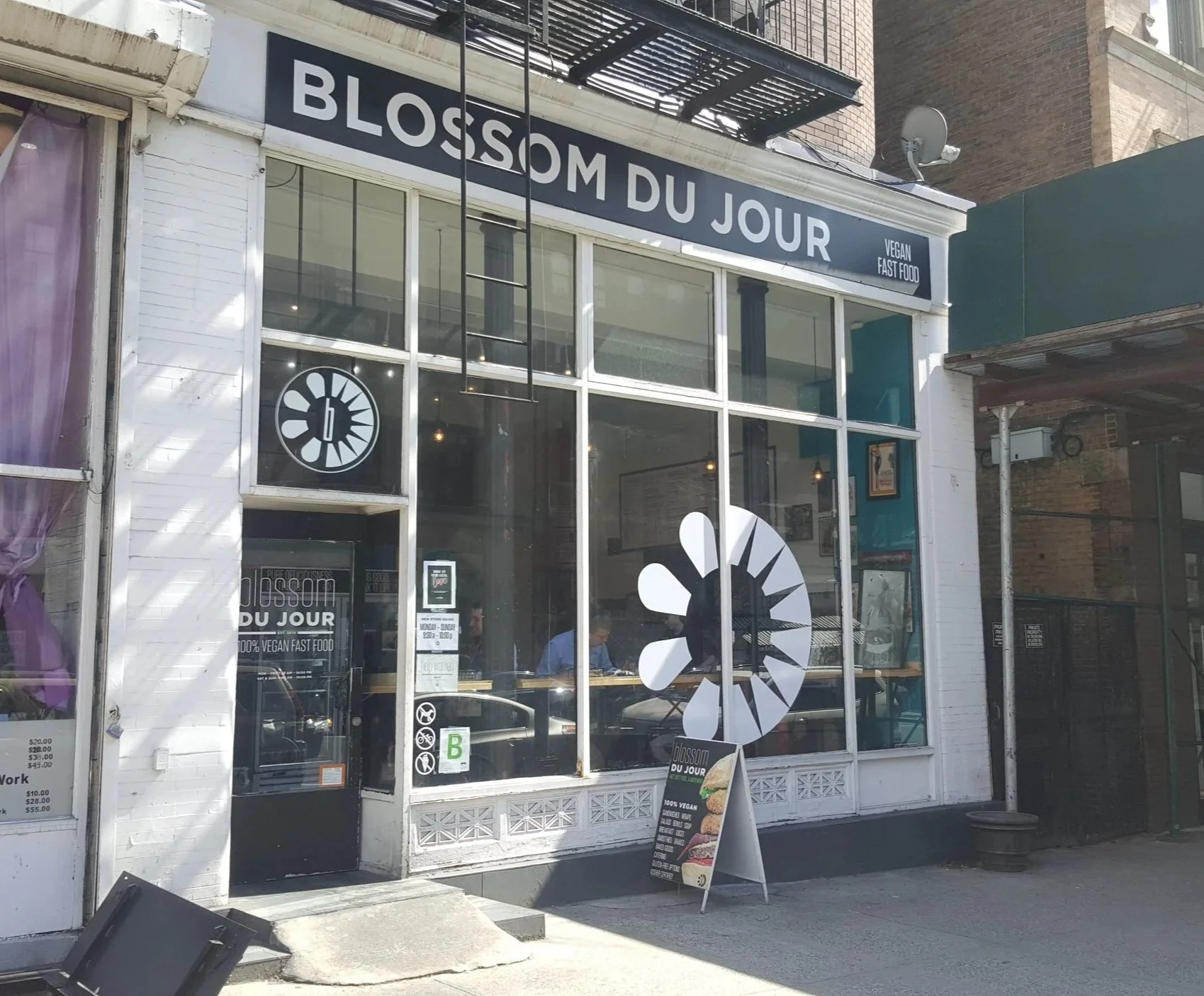
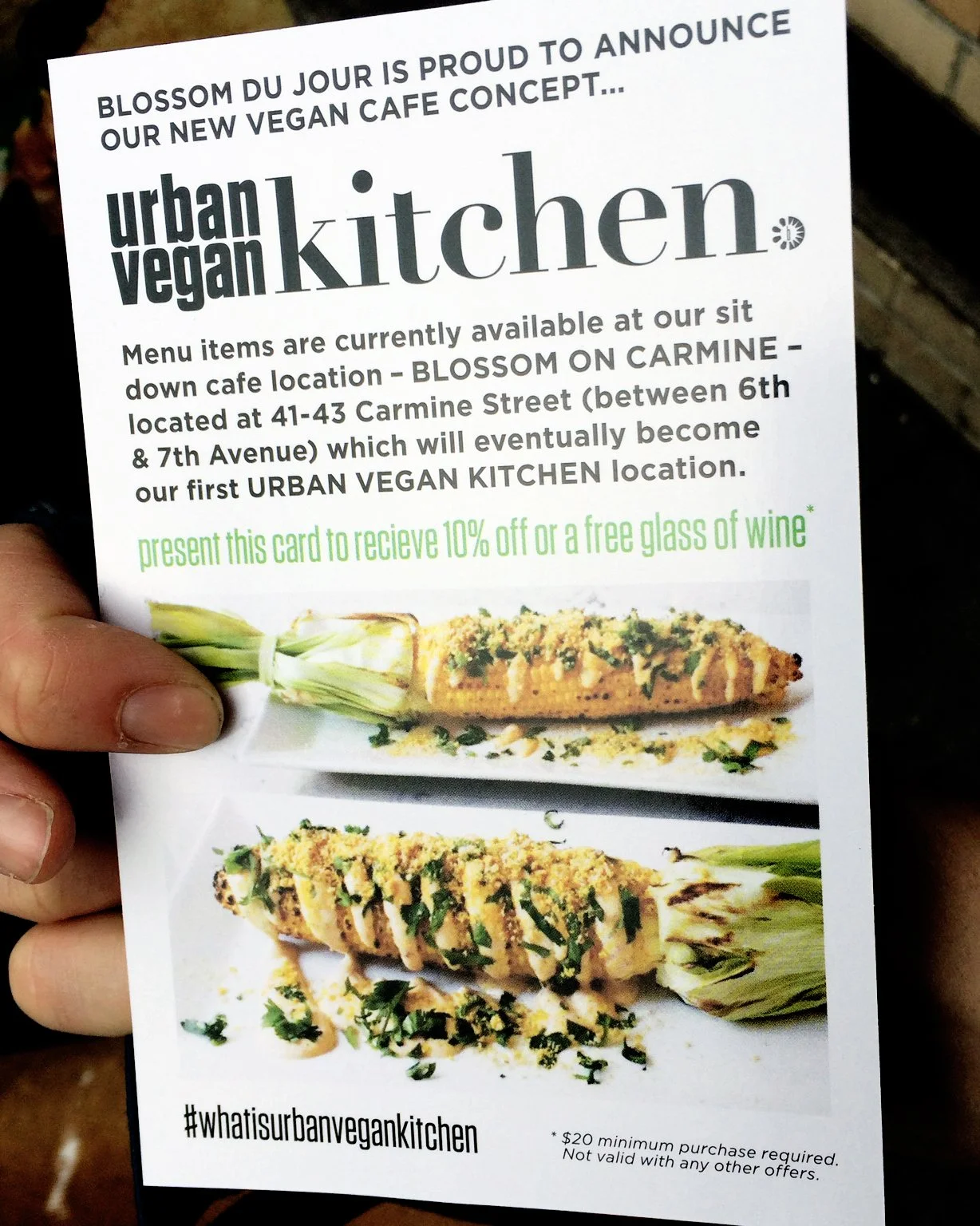
Most people would have stopped there, but Pamela wanted to make an even bigger impact. She believed that great vegan food shouldn't be reserved for special occasions or fine dining, so she opened Blossom du Jour, one of New York's first truly fast-casual vegan restaurants. That's where my wife Tara and I entered the picture. We helped run the restaurants, helped build the brand, and eventually expanded to multiple locations. Looking back, we probably grew faster than we should have, but that's often how you learn. You learn by getting some things right and plenty of things wrong. Everything we do today at Urban Vegan Kitchen has roots in those years. Pamela taught us that food could be compassionate without sacrificing flavor, and that if you believe in something deeply enough, you have a responsibility to share it and to keep it simple. That lesson has stayed with me ever since.
Where Pamela and I connected immediately wasn't just through food—it was through storytelling. Before either of us was fully immersed in the restaurant world, we had both founded theater companies. Pamela even owned a theater and was a classically trained opera singer who grew up in the Bronx. I was writing plays and screenplays because, to me, stories have always been one of the most powerful ways to move people.
Tara fit naturally into that world, too. My wife—and, if I'm being honest, the backbone of the company—she's the one who actually brings so many of these ideas to life. I have ideas. Tara executes. She's an artist in her own right, the creative force behind much of our branding, and she can play a mean piano, even though she's still too shy to perform in "public."
Between the three of us, food was never just food. It was another way to tell a story.
Looking back, it makes perfect sense that we ended up in restaurants. Food tells stories, too. A great meal can remind you of your grandmother, your neighborhood, your first date, or a place you haven't been in years. Music does it. Theater does it. Art does it. Food does it too.
Growing up in New York meant being surrounded by stories from every culture imaginable. On any given day you could smell Jamaican food coming from one apartment, Chinese food from another, Italian gravy somewhere down the hall, and hear salsa, reggae, jazz, and hip hop before you even got to the corner. That was New York. Those smells, sounds, and flavors became part of who we were, and we wanted our restaurant to celebrate that city.
Looking back, I realize we weren't just building a restaurant—we were building another stage. Only instead of actors, we had chefs. Instead of tickets, we served dinner. Instead of applause, we hoped people left feeling just a little better than when they walked in.
We never wanted to make "vegan food." We wanted to make New York food. The classics. The dishes people grew up eating. The comfort food that reminds you of home. The only difference is that we looked at every recipe and asked ourselves one simple question: Can we make this better? If we could replace an ingredient with something that was kinder to animals, better for the planet, and still tasted incredible, why wouldn't we?
That's where Classic Food. Better Ingredients. comes from.
It isn't a slogan.
It's our philosophy.
People sometimes ask me why hip hop culture and vegan culture seem to fit together so naturally. To me, they share the same DNA. Both challenge the status quo. Both borrow from the past while creating something entirely new. Both take what works, leave behind what doesn't, and imagine a better future. They're rooted in the belief that things can always be improved. That's how we've always looked at food. We weren't trying to become culinary superstars. We were trying to show people that choosing plant-based food doesn't mean giving anything up. It means discovering that the classics you already love can be made with better ingredients. It's just a REMIX.
Maybe that's what Muse is becoming, too. Not a rejection of the past, but a celebration of it. We believe in classic food, classic music, classic art, and the timeless rituals that bring people together. At the same time, we believe in creating new classics for a new generation.
Maybe that's all we've ever been trying to do—
Tell better stories through food.
P.S. While writing this, I had a thought.
We should probably make a knish.
— Dave